In an era defined by rapid technological advancements and mounting environmental challenges, the energy sector plays a crucial role on the global stage. The transition towards sustainable energy sources not only reshapes economies but also influences social structures worldwide. This article delves into the latest developments in global energy policies, highlighting innovations, investments, and the overarching impacts on society and the environment.
Recent Developments in Global Energy Policies
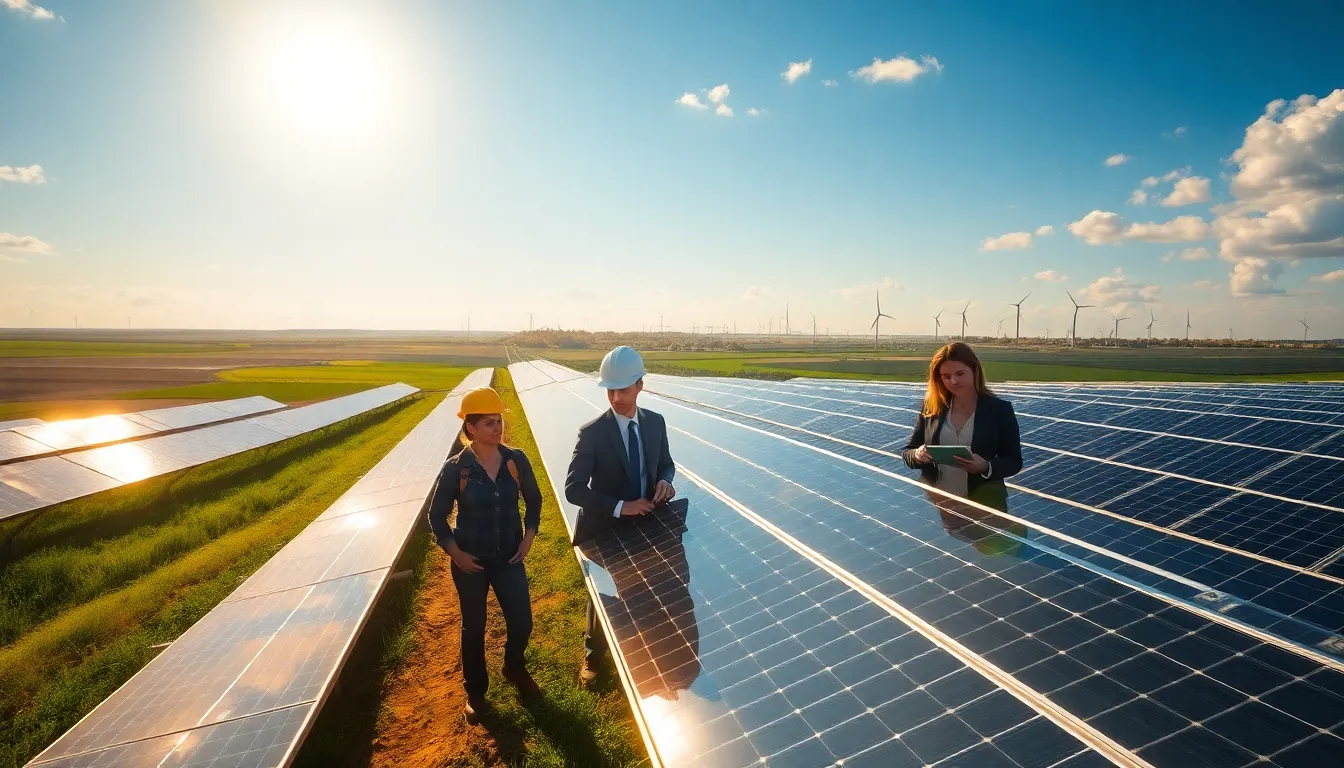
Recent years have seen a surge in global commitment to reforming energy policies aimed at achieving sustainability. Efforts are being made worldwide to shift from fossil fuels to more environmentally friendly alternatives.
Innovations in Renewable Energy
Countries have embraced several innovative technologies to harness renewable energy effectively. Solar and wind power have become increasingly economical, driving down costs and enhancing accessibility. For instance, countries like Germany and China have led the way in solar energy adoption, deploying cutting-edge solar panels that improve efficiency and enhance output. Also, offshore wind farms have emerged as a major focus in regions with abundant coastal winds, such as the United Kingdom.
Challenges in Energy Transition
Even though these innovations, the transition is not without hurdles. Political resistance, lack of infrastructure, and investment shortfalls present significant challenges. Developing nations often struggle with financial constraints, hindering their ability to carry out advanced technologies. Besides, the ongoing reliance on traditional energy sources complicates the transition, as industries resist shifting away from established practices.
Governments must also manage the socio-economic impacts of energy transition, balancing job losses in fossil fuel industries with job creation in renewable sectors. So, navigating these complex dynamics remains critical for a successful transition.
Global Economic Impacts of Energy Changes
The dynamics of global energy markets are intricately linked to economic health around the world. As the energy landscape evolves, several economic implications arise.
Regional Analysis: Europe, Asia, and America
In Europe, countries are ramping up efforts to phase out coal while investing in renewable energy, aiming for carbon neutrality by 2050. This transition has revitalized economies by fostering innovative jobs in green technology.
Conversely, in Asia, nations like India and China face the challenge of balancing rapid industrial growth with sustainable practices. Here, the push for clean energy is tempered by ongoing dependence on coal for economic growth, highlighting the tensions between development and sustainability.
In America, energy independence remains a cornerstone of economic strategy. The shale gas boom has transformed the U.S. into a leading energy producer, prompting debates on the environmental impacts versus economic benefits.
Investment Trends in Energy Sector
Investment in renewable energy is skyrocketing, with reports indicating that global investments in renewables reached over $300 billion in recent years. Venture capital is pouring into clean technology startups, reflecting the confidence investors have in shifting energy trends. Solar and battery storage technologies are particularly attractive, promising substantial returns in the coming years.
Financial institutions are increasingly prioritizing sustainable investments, prompted by consumer demand for responsible practices. Institutional investors are also starting to divest from fossil fuels, seeking to align portfolios with environmental, social, and governance (ESG) criteria.
Sustainability and Environmental Considerations
Sustainability and environmental concerns are at the forefront of global energy discussions, framing how nations navigate their energy policy strategies.
Impact on Climate Change
The direct correlation between energy consumption and climate change is irrefutable. Transitioning to renewable energy sources is crucial for reducing greenhouse gas emissions. Reports from the Intergovernmental Panel on Climate Change (IPCC) emphasize how a global shift towards cleaner energy can substantially limit temperature rise.
But, the impact of climate change is unevenly distributed, often affecting vulnerable populations the hardest. Nations must work together to ensure a just transition that includes support for those most affected by climate policies.
The Role of Technology in Sustainable Solutions
Technology plays a pivotal role in developing sustainable solutions. Advances in energy storage, smart grid systems, and carbon capture technologies enhance the effectiveness of renewable energy. For instance, energy-efficient smart buildings equipped with automated energy management systems reduce consumption and enhance comfort.
Innovative practices, such as using artificial intelligence to optimize energy use in real-time, are gaining traction. This technological integration proves essential in achieving sustainability goals while maintaining societal needs.
Future Predictions for Global Energy Markets
Forecasting the future of global energy markets involves examining emerging trends and the potential geopolitical shifts that may accompany them.
Emerging Trends and Innovations
The future is likely to be dominated by advancements in energy storage technologies. As the demand for renewable energy rises, efficient storage solutions such as lithium-ion and solid-state batteries are becoming vital. Electric vehicles (EVs) are also expected to proliferate, substantially changing the transportation landscape and reducing dependency on fossil fuels.
Also, hydrogen fuel, particularly green hydrogen produced from renewable energy, emerges as a game-changer. Its versatility, from powering industries to fueling transport, establishes hydrogen as a cornerstone of future energy strategies.
Potential Geopolitical Changes
Energy resources have historically drawn geopolitical lines, and the transition to renewable sources could reshape these dynamics. Nations rich in renewable resources may gain an upper hand in global affairs, altering traditional alliances and dependencies. Countries that successfully pivot to green energy technology might also lead international energy policies, influencing standards and regulations on a global scale.
Conclusion
The transition towards sustainable energy is not merely a trend but a necessity for global stability and environmental integrity. As countries navigate the complexities of energy reform, they must address economic, social, and technological aspects to foster a successful shift. Keeping abreast of developments in energy policies and being prepared for future innovations will be crucial for navigating an ever-evolving landscape. Eventually, collaboration and a commitment to sustainability will determine the success of these initiatives on a global scale.