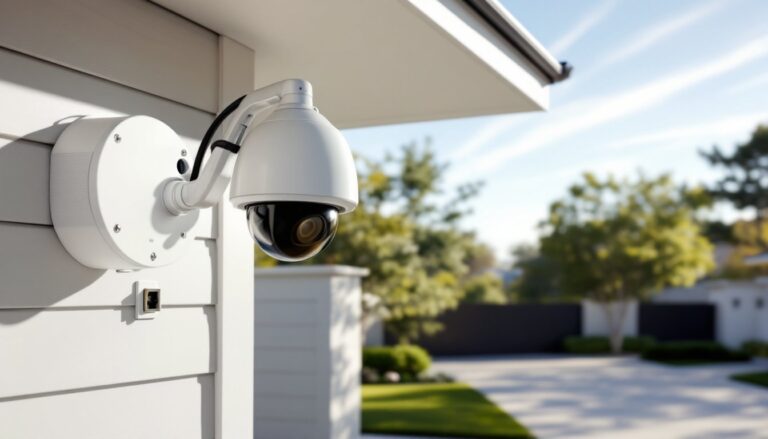
Blink cameras have flooded the budget <a href="https://cottageventure.com/brinks-home-security-review/”>security market since Amazon acquired the brand in 2017. They’re small, wireless, and cheap, often showing up in multi-packs under $200. But a low price tag doesn’t always mean good value, especially when you’re trusting a camera to watch your front porch or garage. Homeowners considering Blink face a critical question: does it deliver reliable performance, or will you end up troubleshooting motion alerts at 2 a.m.? This review cuts through the marketing to evaluate what Blink actually offers in 2026, including video quality, battery life, subscription costs, and how it stacks up against competitors in the budget tier.
Table of Contents
ToggleKey Takeaways
- Blink security cameras offer wire-free installation and up to two-year battery life at an affordable entry price, making them ideal for renters and budget-conscious homeowners, though actual battery runtime varies with usage and climate.
- Video quality is limited to 1080p with struggles in high-contrast lighting, and motion detection is Blink’s weakest feature with slow triggering that can miss the first seconds of movement.
- A Blink setup costs under $300 for a three-camera bundle without subscriptions if you use local USB storage, but cloud storage subscriptions ($3–$10/month per camera) significantly increase long-term costs.
- Live view lag of 5–10 seconds and lack of Google Home or HomeKit support are major limitations if you need real-time monitoring or non-Amazon ecosystem integration.
- Blink works best for monitoring front porches, driveways, and garages in moderate climates, but competitors like Eufy offer better video quality and Wyze provides cheaper upfront costs if you prioritize different features.
What Makes Blink Security Cameras Stand Out?
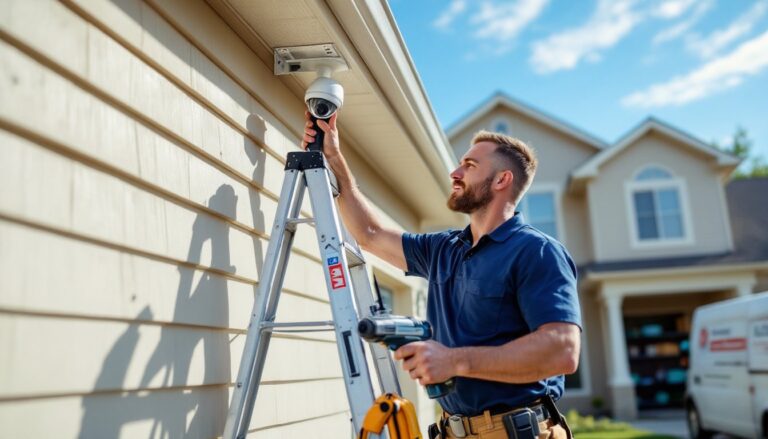
Blink’s core selling point is wire-free simplicity. Most models, like the Blink Outdoor 4 and Blink Mini 2, run on AA lithium batteries that can last up to two years under moderate use. There’s no drilling for power cables or hardwiring into existing electrical boxes, which appeals to renters and DIYers who want installation done in under 20 minutes.
The cameras sync to a Sync Module 2, a small hub that plugs into your router and coordinates up to 10 cameras. This module also enables local video storage via USB flash drive, a feature that sets Blink apart from competitors like Ring, which force cloud-only storage without a subscription. You can save clips locally without paying monthly fees, though retrieval and playback are clunkier than cloud access.
Blink integrates with Alexa natively, since Amazon owns the brand. You can view live feeds on Echo Show devices, set routines, and arm/disarm cameras with voice commands. There’s no Google Home or HomeKit support, which limits appeal for households invested in those ecosystems.
The cameras also feature two-way audio, infrared night vision, and customizable motion zones. Build quality is plastic-heavy but weather-resistant (IP65 rating for outdoor models). They’re not built like a Lorex or Reolink, but they handle rain, snow, and summer heat without immediate failure. For homeowners prioritizing ease of setup and low ongoing costs, Blink checks several boxes, but the real test is whether performance matches the convenience.
Performance and Video Quality: Does Blink Deliver?
Blink cameras record in 1080p HD across most current models, which sounds adequate on paper but shows limitations in practice. Daytime footage is clear enough to identify faces within 15–20 feet and read license plates parked in a driveway. But, dynamic range struggles in high-contrast scenes, backlighting from windows or bright sunlight can wash out details.
Night vision uses infrared LEDs and performs decently up to about 20 feet. Beyond that range, image clarity drops off quickly. Don’t expect to see much detail across a large yard or past your property line after dark. According to evaluations from CNET, Blink’s night performance lags behind competitors like Wyze Cam v3, which uses color night vision.
Motion detection is Blink’s weakest link. The passive infrared (PIR) sensors can be slow to trigger, sometimes missing the first second or two of movement. You’ll get alerts, but reviewing clips often shows a person already halfway across the frame. Adjusting motion sensitivity helps, but setting it too high floods your phone with false alerts from swaying branches or passing cars.
The field of view is 110 degrees on most models, wide enough for a standard front door or driveway but narrower than Arlo’s 160-degree options. You may need multiple cameras to cover a large porch or side yard.
One major frustration: live view lag. Pulling up a live feed can take 5–10 seconds to connect, which feels sluggish compared to wired systems or higher-end wireless competitors. If you’re checking cameras because you heard a noise, that delay matters.
Battery Life and Power Options
Blink’s two AA lithium batteries are rated for up to two years, but actual runtime depends heavily on usage. High-traffic areas with frequent motion events drain batteries faster, expect 8–12 months in those scenarios. Cold weather also saps battery life: outdoor cameras in northern climates may need replacement every 6 months in winter.
The Blink Mini (indoor model) is USB-powered and doesn’t use batteries, which eliminates runtime concerns but requires an outlet nearby. The newer Blink Outdoor 4 and Blink Video Doorbell support optional USB power adapters, giving you a wired option if you’re tired of swapping batteries.
Replacement lithium AAs cost about $12 per set of four, so budgeting $20–30 annually per camera is realistic. That’s still cheaper than monthly cloud subscriptions elsewhere, but it’s an ongoing expense homeowners should factor in. Keep spare batteries on hand, nothing’s worse than realizing a camera went dead two days before a package theft.
Cost Breakdown: Cameras, Subscriptions, and Long-Term Value
Blink’s upfront costs are hard to beat. A single Blink Outdoor 4 camera with Sync Module 2 runs about $100, and multi-camera bundles (3-pack or 5-pack) often drop to $200–300 during seasonal sales. Those hunting for security camera discounts will find Blink regularly featured in Amazon’s Prime Day and Black Friday promotions.
The Blink Subscription Plan (formerly Blink Plus) costs $3/month per camera or $10/month for unlimited cameras. This adds cloud storage for up to 60 days, person detection, and extended clip lengths. Without a subscription, you’re limited to local USB storage via the Sync Module 2, which works but requires manually reviewing footage on the module itself or pulling the USB drive.
Compare that to Ring, which charges $4/month per camera or $10/month for unlimited, but doesn’t offer free local storage. Wyze undercuts Blink at $2/month per camera (Cam Plus), though the Wyze Home Security System has had mixed reviews on reliability.
Over a five-year period, assuming three cameras:
- Upfront cost: ~$250 (3-camera bundle)
- Battery replacement: ~$25/year × 5 = $125
- Subscription (optional): $10/month × 60 months = $600
- Total: $975 with subscription, $375 without
That’s competitive if you skip the subscription and rely on local storage. But if cloud access matters, and for most users, it does, Blink’s value proposition weakens. Eufy offers local storage and better video quality without subscriptions, though cameras cost more upfront.
One hidden cost: the Sync Module 2 is required for most features. If you want cameras spread across a large property (front, back, garage), you may need a second module ($35) to maintain reliable connectivity, especially in homes with thick walls or poor Wi-Fi coverage.
Pros and Cons of Choosing Blink for Your Home
Pros:
- Wire-free installation takes 10–15 minutes per camera: no electrical work or drilling for power
- Long battery life (up to 2 years) under light use: AA batteries are widely available
- Local storage option via USB on Sync Module 2 eliminates mandatory subscriptions
- Affordable entry point: multi-camera kits under $250 make whole-home coverage accessible
- Alexa integration works smoothly for voice control and Echo Show live view
- Weather-resistant (IP65) outdoor models handle rain, snow, and heat without immediate failure
Cons:
- Slow motion detection: PIR sensors often miss the first few seconds of movement
- Live view lag (5–10 seconds) makes real-time monitoring frustrating
- 1080p video quality is adequate but not sharp: struggles with backlight and long-range detail
- No Google Home or HomeKit support: locked into Amazon ecosystem
- USB local storage is clunky: reviewing clips requires physical access to the Sync Module or pulling the drive
- Cold weather battery drain: outdoor cameras in freezing climates need frequent battery swaps
Blink works best for homeowners who prioritize ease of installation and low upfront cost over cutting-edge performance. It’s a solid choice for monitoring a front porch, side gate, or garage in moderate climates. But if you need fast alerts, sharp video, or integration with non-Amazon smart home gear, you’ll hit frustrations quickly.
How Blink Compares to Other Budget Security Cameras
In the budget tier (under $150 per camera), Blink competes directly with Wyze, Ring, and Eufy. Here’s how they stack up:
Wyze Cam v3 ($36): Cheaper upfront, color night vision, faster motion alerts. Requires Cam Plus subscription ($2/month) for person detection and full cloud storage. Build quality feels flimsier than Blink, and app reliability has been inconsistent. According to Digital Trends, Wyze has struggled with server outages that leave cameras inaccessible.
Ring Stick Up Cam Battery ($100): Similar wire-free design, better motion detection, tighter Alexa integration. No local storage option, you must subscribe to Ring Protect ($4/month per camera or $10/month unlimited) to save any footage. Video quality is slightly sharper than Blink, but live view is also laggy.
Eufy 2C Pro ($140 for 2-camera kit): Superior 2K video, faster alerts, local storage via HomeBase without subscriptions. Cameras feel more robust, and night vision is noticeably better. Battery life is shorter (6–12 months), and initial cost is higher, but long-term value is strong if you skip subscriptions.
TP-Link Tapo C420S ($110 for 2-camera kit): New competitor in 2026 with 2K video, wire-free design, and local storage. App is clean, but smart home integration is limited. Battery life is similar to Blink.
Blink sits in the middle: not the cheapest (Wyze), not the sharpest (Eufy), not the most polished (Ring). It’s the best pick if you want Amazon ecosystem integration and optional local storage without breaking $300 for a multi-camera setup. For those comparing systems side-by-side, reviews from Tom’s Guide consistently rank Blink in the top five for budget options, though rarely first.
If you’re already using Amazon smart home devices or want a simple DIY home security cameras installation, Blink makes sense. But shoppers willing to spend $50–100 more per camera will find better performance elsewhere.
Conclusion
Blink is a good enough security camera for homeowners who prioritize simplicity, low upfront cost, and Alexa compatibility. It won’t win awards for video quality or motion detection speed, but it covers the basics without requiring an electrician or a monthly subscription (if you’re willing to use local storage). Battery life is genuinely impressive in moderate climates, and installation is as DIY-friendly as it gets. Just set realistic expectations: Blink is a deterrent and notification tool, not a forensic-grade surveillance system. If your goal is monitoring package deliveries, checking on pets, or catching obvious activity, it’ll do the job.