The real estate market is like a rollercoaster—full of ups, downs, and unexpected twists that can leave even the most seasoned investors dizzy. As the world evolves, so do the trends shaping how people buy, sell, and live. From eco-friendly homes that make Mother Nature proud to smart technology that turns a house into a personal assistant, the landscape is changing faster than a cat meme goes viral.
In this brave new world of real estate, staying ahead of the curve is essential. Whether you’re a first-time buyer, a savvy investor, or just someone who enjoys scrolling through listings, understanding these emerging trends can give you the upper hand. Buckle up as we dive into the exciting developments that are redefining what it means to find a place to call home.
Overview of Emerging Trends in Real Estate
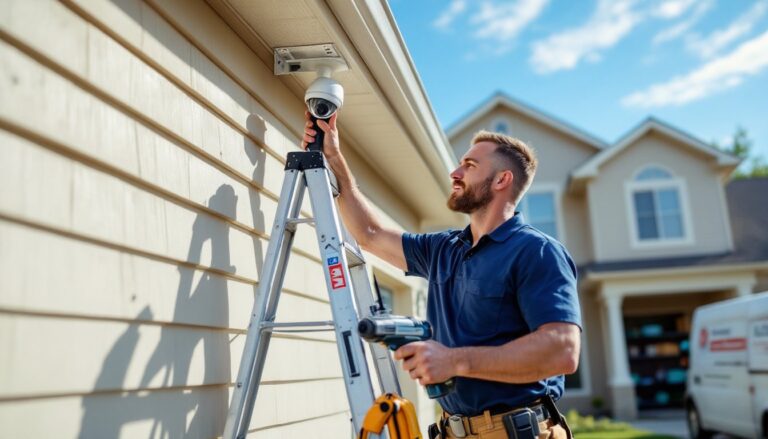
Emerging trends in real estate demonstrate significant shifts in buyer preferences and technological advancements. Eco-friendly homes showcase increased demand for sustainable living, with many buyers prioritizing energy efficiency and lower utility costs. Smart home technology continually influences market offerings, enhancing convenience and security for homeowners.
The shift toward urban living is notable as many individuals are gravitating towards city centers. This trend boosts demand for smaller, more affordable housing options, such as apartments and townhouses. Remote work changes preferences as well, with buyers now considering properties in suburban areas, enabling a desirable work-life balance.
Investors recognize the benefits of diversifying portfolios, particularly in emerging markets. Areas experiencing rapid population growth often present ripe opportunities for investment. Additionally, short-term rental markets gain traction due to increased tourism and a shift in consumer behavior, promoting platforms like Airbnb.
Affordability remains a significant concern, prompting local governments to implement measures that enhance housing accessibility. Inclusionary zoning regulations and incentives for developers aim to create more affordable housing options. As a result, understanding these trends equips buyers, sellers, and investors to navigate the market effectively.
The integration of technology in real estate transactions is on the rise. Virtual tours, drone photography, and blockchain technology streamline processes and enhance transparency. These advancements simplify property searches and accelerate closings, appealing to tech-savvy consumers.
Lastly, design preferences are shifting toward multi-functional spaces. Home offices and flexible living areas support diverse lifestyles. Recognizing these emerging trends enables market participants to make informed decisions and capitalize on new opportunities in real estate.
Technology’s Impact on Real Estate
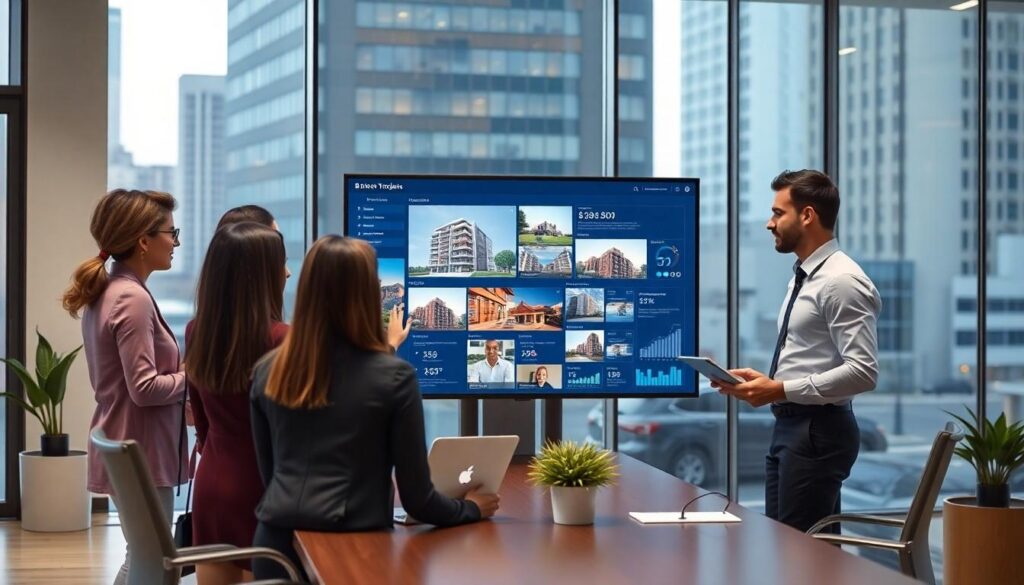
Technology significantly influences the real estate industry. Innovations streamline processes and enhance convenience for buyers and sellers.
Proptech Innovations
Proptech innovations reshape real estate. Companies develop software that facilitates property management, investment analysis, and transaction processes. Data analytics assists investors in identifying trends, enhancing decision-making. Platforms for property listings optimize visibility, attracting a broader audience. Smart home devices improve energy efficiency, catering to the increasing demand for eco-friendly features. Automation tools simplify tasks such as rent collection and lease management. These advancements not only boost operational efficiency but also create better user experiences.
Virtual and Augmented Reality
Virtual and augmented reality transform property viewing experiences. Virtual tours allow potential buyers to explore properties remotely, increasing accessibility and convenience. Prospective homebuyers can visualize spaces with immersive 3D models, leading to more informed decisions. Augmented reality tools enable users to visualize renovations and furnishings, enhancing engagement. Technologies such as these cater to the growing trend of remote interactions, particularly appealing to buyers prioritizing flexibility. Overall, these innovations assist agents in showcasing properties effectively and provide a modern approach to real estate engagements.
Sustainability in Real Estate
Sustainability plays a critical role in the evolving real estate market. Emphasizing eco-friendly practices sets properties apart, catering to the growing demand for greener living spaces.
Green Building Practices
Green building practices focus on sustainable materials and construction techniques. They minimize environmental impact while enhancing energy efficiency. For instance, many developers now implement recycled materials as a standard. Techniques for site development often include preserving natural habitats and optimizing land use. Certification systems like LEED validate these efforts, attracting buyers who value sustainability. Additionally, using local materials reduces carbon footprints and supports local economies. Integrating green roofs and rainwater harvesting systems enhances properties’ environmental credentials and visual appeal.
Energy-Efficient Designs
Energy-efficient designs address the rising utility costs and promote environmental responsibility. Properties featuring high-performance windows and insulation systems reduce energy consumption significantly. Smart home technologies contribute to energy management, allowing residents to optimize energy usage. Efficient heating and cooling systems also play an essential role in minimizing energy waste. Incorporating solar panels provides homeowners with renewable energy sources, further lowering utility costs. Buyers increasingly prioritize these features, enhancing marketability and increasing property values. Investing in energy-efficient designs proves beneficial for both residents and the environment.
Changing Consumer Preferences
Consumer preferences in real estate are shifting significantly due to various factors. These changes highlight the evolving landscape of housing needs.
Remote Work and Housing Demand
Remote work continues to reshape housing demand. Many buyers prioritize homes with dedicated office spaces to accommodate their new work habits. Suburban areas attract those seeking larger homes that offer a comfortable environment for both living and working. Consequently, properties with high-speed internet and flexible layouts gain popularity. Statistics indicate that 56% of remote workers are considering moving to a home that better suits their work-life balance. This trend has solidified the importance of functionality in residential settings.
Urban vs. Suburban Living Trends
Urban living remains attractive, yet suburban areas are also seeing a surge in interest. City centers typically provide vibrant lifestyles, close proximity to amenities, and social opportunities. However, affordable housing options attract many buyers to suburban locations. With rising housing costs in urban settings, many individuals prefer the space and greenery that suburbs offer. Current data shows that 43% of homebuyers are now considering suburban properties over urban ones. The contrast between these two living environments continues to influence buyer choices as they weigh lifestyle priorities against budget constraints.
Economic Factors Influencing the Market
Economic factors play a crucial role in shaping the real estate landscape. Interest rates and housing affordability directly influence buyer decisions and market activity.
Interest Rates and Housing Affordability
Interest rates affect monthly mortgage payments and overall home buying power. Recent fluctuations show a correlation between rising rates and declining affordability. Consequently, many potential buyers reconsider purchasing homes, limiting market demand. Approximately 43% of buyers now factor in housing costs when deciding between urban and suburban properties. With higher interest rates, affordability challenges persist, compelling buyers to explore diverse financing options or postpone purchases altogether.
Investment Trends Amid Economic Changes
Investment trends are adapting to economic changes. As markets evolve, investors increasingly target properties in emerging neighborhoods where project growth signals promise. Diversification of portfolios remains critical; investors seek opportunities in short-term rental markets, driven by tourism growth. Additionally, the shift towards sustainable and technologically advanced properties attracts significant interest due to long-term value potential. With remote work’s rise, mixed-use developments become appealing, as they offer both living and working spaces. The dynamic nature of these investment trends reflects the need for adaptability in the current economic climate.
Staying ahead in the real estate market requires awareness of emerging trends that shape buyer preferences and investment strategies. The shift towards eco-friendly homes and smart technology is not just a passing fad but a reflection of changing values among consumers. As urban living continues to attract many, the appeal of suburban properties with flexible spaces for remote work is undeniable.
Investors must adapt to economic factors like rising interest rates and affordability challenges while exploring new opportunities in diverse markets. Embracing sustainability and technological advancements is essential for success in this dynamic landscape. By understanding these trends, stakeholders can navigate the complexities of real estate and make informed decisions that align with the future of housing.