Arlo cameras deliver solid video quality right out of the box, but the free tier leaves a lot on the table. Without a subscription, homeowners get live streaming and not much else, no cloud storage, limited AI detection, and features that feel half-baked. Arlo Secure changes that, unlocking cloud video history, smarter alerts, and tools that make monitoring a home actually useful. But with multiple plan tiers and competitors offering aggressive pricing, the question isn’t just what you get, it’s whether the monthly cost justifies the upgrade. This breakdown covers what Arlo Secure offers, how the pricing stacks up, and whether it’s a smart buy for homeowners serious about security.
Table of Contents
ToggleKey Takeaways
- Arlo Secure subscription transforms basic cameras into full-featured security systems with cloud recording, AI detection, and smart alerts that reduce false notifications.
- The unlimited cameras plan at $12.99/month is the best value for most homeowners with 2-4 cameras, saving 17% when billed annually and matching competitors like Ring and Google Nest.
- Without a subscription, Arlo cameras lack cloud storage, AI detection, and activity zones—making the free tier too limited for comprehensive home security beyond basic live streaming.
- Arlo’s wireless, battery-powered design enables DIY installation in minutes, but factor in battery maintenance costs (3-6 month recharging) or solar panels ($79 each) when calculating total ownership expenses.
- The Secure Plus tier ($24.99/month) is rarely justified for average homeowners unless theft protection, professional monitoring, or 60-day storage specifically address your security needs.
What Is Arlo Secure and How Does It Work?
Arlo Secure is the brand’s subscription service that unlocks premium features for Arlo wireless cameras and doorbells. Without it, the cameras function as basic live-view devices. With a subscription, they become full-featured security tools with cloud recording, advanced motion detection, and intelligent alerts.
The service works on a per-camera or multi-camera basis. Single-camera plans cover one device: multi-device plans cover unlimited cameras at one location. Video is stored in Arlo’s cloud for 30 days on standard plans, 60 days on premium tiers. Recordings are accessible via the Arlo app on iOS and Android, with scrubbing, downloading, and sharing options.
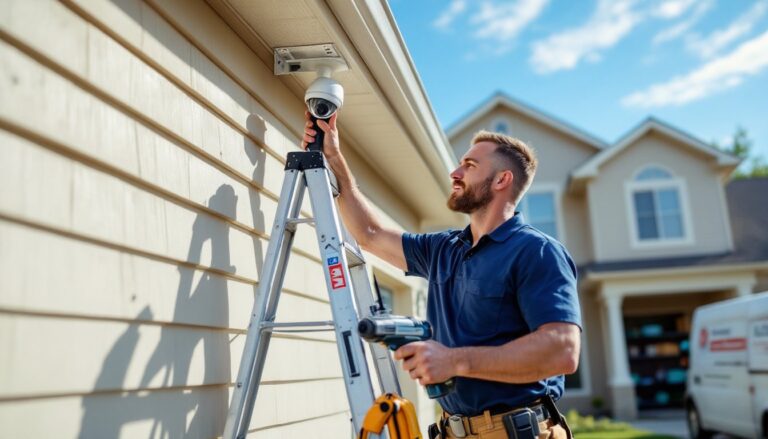
Arlo Secure integrates with Amazon Alexa and Google Assistant for voice commands and smart home routines. The system doesn’t require a hub for newer models (Pro 4, Pro 5, Essential series), but older cameras need the Arlo SmartHub or base station. Setup is straightforward: mount the camera, sync it to the app, and activate the subscription. No professional installation required, though running power to wired doorbells may need an electrician if existing doorbell wiring isn’t compatible.
Arlo Secure Plan Options and Pricing Breakdown
Arlo offers three main subscription tiers as of 2026, each with a different feature set and price point.
Arlo Secure (Single Camera): $4.99/month or $49.99/year. Covers one camera with 30-day cloud storage, basic AI detection (person, vehicle, animal, package), and activity zones. Good for testing the service or covering a single high-priority area like a front door.
Arlo Secure (Unlimited Cameras): $12.99/month or $129.99/year. Covers all cameras at one location with the same 30-day storage and AI features. This is the sweet spot for most homeowners with 2-4 cameras.
Arlo Secure Plus: $24.99/month or $249.99/year. Adds 60-day cloud storage, 24/7 professional monitoring with emergency dispatch, advanced object detection, and theft protection (Arlo replaces stolen cameras if a police report is filed). For larger properties or those who want monitored security without a traditional alarm system.
All plans include a free 30-day trial for new users. Annual billing saves roughly 17% compared to monthly. Multi-location setups (like a primary home and a cabin) require separate subscriptions per address. Pricing is consistent across the U.S., though taxes vary by state.
Key Features You Get With an Arlo Subscription
The subscription unlocks tools that transform Arlo cameras from passive viewers into active security systems.
Cloud Video Recording: Every triggered event is saved to the cloud for 30 or 60 days, depending on the plan. No local storage fiddling, no microSD card failures. Download clips as evidence or share directly with neighbors or law enforcement.
AI-Powered Notifications: The system distinguishes between people, vehicles, animals, and packages. This cuts down on false alerts from passing cars or wandering cats. Activity zones let users draw custom boundaries, so motion in the driveway triggers alerts but not motion on the sidewalk.
Two-Way Audio and Siren: Speak through the camera’s built-in speaker or trigger a loud siren to scare off intruders. Works on doorbells and cameras with audio hardware.
E911 Integration (Secure Plus only): If the system detects suspicious activity, users can call emergency services directly from the app, and Arlo shares the account’s registered address with dispatchers. Not a replacement for a full alarm system, but a solid backup.
Theft Protection (Secure Plus only): If a camera is stolen and a police report is filed, Arlo ships a replacement at no cost. This matters for outdoor cameras mounted in accessible spots.
The service also includes priority support, so troubleshooting issues doesn’t mean waiting days for a response. For homeowners juggling smart home security setups with multiple brands, Arlo’s app consolidates footage and notifications in one place.
What You Can Do Without an Arlo Subscription
Arlo cameras work without a subscription, but functionality is stripped down. Here’s what the free tier includes:
- Live streaming: View real-time video from any camera through the app.
- Local storage (select models): Cameras paired with an Arlo SmartHub can record to a USB drive or microSD card inserted into the hub. This bypasses cloud storage but requires manual file management.
- Basic motion detection: Cameras detect motion and send generic alerts, but without AI, every movement triggers a notification.
- Manual recording: Users can manually start a recording during live view, but there’s no automatic event capture.
What you don’t get: cloud storage, AI object detection, activity zones, rich notifications with thumbnails, or advanced features like package detection. For a single camera monitoring a low-traffic area, the free tier might suffice. For a full security setup, it’s too limited. The lack of cloud storage is the biggest drawback, if someone cuts power or steals the hub, local recordings are gone.
Homeowners considering security camera discounts should factor in subscription costs when comparing total ownership expenses.
Is Arlo Secure Worth the Cost for Homeowners?
Whether Arlo Secure justifies the monthly expense depends on camera count, feature priorities, and how much homeowners value cloud-first storage.
For 2-4 cameras, the unlimited plan at $12.99/month is a reasonable middle ground. That’s $156/year for cloud storage and AI detection across the property. Compare that to competitors: Ring’s Protect Plus runs $20/month for unlimited cameras with 180-day video history but requires Ring devices at every entry point. Google Nest Aware Plus is $15/month for 60-day storage but only covers Nest cameras.
Arlo’s biggest strength is flexibility. The cameras are wireless, battery-powered (with solar panel options), and weather-resistant. Installation takes minutes, not hours. That DIY ease appeals to homeowners who want security without running Ethernet or hiring installers. The tradeoff is battery maintenance, cameras need recharging every 3-6 months depending on activity, or a solar panel ($79 per camera) eliminates that chore.
The Secure Plus tier at $24.99/month is harder to justify unless theft protection or professional monitoring matters. Most homeowners won’t need 60-day storage, and the E911 feature duplicates what a smartphone does natively. It’s a niche pick for vacation homes or properties with high theft risk.
One consideration: Arlo’s recent subscription changes have included pricing increases and feature shuffles. Long-term subscribers should check if grandfathered plans still exist or if newer tiers offer better value.
How Arlo Secure Compares to Competitor Subscriptions
Arlo isn’t the only player offering subscription-based camera features. Here’s how it stacks up.
Ring Protect: $4.99/month per camera or $20/month for unlimited. Includes 180-day video history and works seamlessly with Ring doorbells and alarm systems. Better for all-Ring ecosystems, but the app and AI detection lag behind Arlo’s.
Google Nest Aware: $8/month for 30-day history on unlimited cameras, $15/month for 60 days. Tight Google Home integration and excellent AI, but Nest cameras are pricier upfront and lack battery options.
Eufy: No subscription required, cameras include local storage via HomeBase. Great for one-time costs, but zero cloud backup means lost footage if the base station is destroyed. Limited AI compared to Arlo.
Wyze Cam Plus: $1.99/month per camera for 14-day cloud storage. Dirt cheap, but Wyze’s reliability and privacy track record have raised concerns. For budget-conscious users comparing Wyze home security to Arlo, the price difference is significant, but so is the feature gap.
According to testing from CNET, Arlo’s AI detection is among the most accurate in the wireless camera space, with fewer false positives than Ring or Wyze. For homeowners already managing home security cameras installation across multiple brands, Arlo’s multi-device plan simplifies management without forcing a single-brand lockdown.
Conclusion
Arlo Secure transforms capable hardware into a functional security system, but it’s not a must-buy for every setup. The unlimited plan makes sense for multi-camera households that value cloud storage and smart detection. The single-camera plan works for targeted coverage. Secure Plus is overkill unless theft protection or professional monitoring are deal-breakers. Factor in battery maintenance, solar panel costs, and whether competitors offer better ecosystem integration before committing. For wireless, DIY-friendly cameras, Arlo’s subscription delivers, just make sure the monthly cost fits the security plan.