SimpliSafe has carved out a reputation as the no-fuss home security option for people who’d rather skip the installation appointment and the two-year contract. The company built its name on straightforward equipment, transparent pricing, and a setup process you can knock out between lunch and your kid’s soccer practice. But with more DIY security systems flooding the market, some cheaper, some fancier, homeowners looking to protect their property need to know whether SimpliSafe still delivers on its promises in 2026. This review breaks down the equipment, installation, monitoring costs, and real-world performance to help determine if SimpliSafe fits your home security needs.
Table of Contents
ToggleKey Takeaways
- SimpliSafe home security reviews consistently highlight its no-contract, DIY-friendly approach with transparent pricing starting at ~$245 for base kits and monitoring from $19.99/month.
- The system’s wireless, battery-powered design allows installation in 30–60 minutes without professional setup, making it ideal for renters and homeowners who move frequently.
- SimpliSafe offers dual cellular and Wi-Fi connectivity with 24-hour battery backup and professional alarm verification, positioning it as a reliable middle-ground between budget and premium systems.
- While SimpliSafe excels at intrusion and environmental monitoring (water, smoke, CO sensors), it lacks deep smart home integration and requires cloud subscriptions for camera recording.
- The monthly monitoring flexibility and fast alarm response (1–2 seconds for entry sensors) deliver strong real-world performance, though you’ll need to manage battery replacements regularly.
What Makes SimpliSafe Stand Out Among DIY Security Systems
SimpliSafe occupies a middle ground between budget-friendly systems like Wyze and premium monitored setups such as ADT. The appeal starts with no installation fees, no long-term contracts, and equipment you own outright, there’s no leasing or mandatory buyback nonsense.
The system runs on cellular and Wi-Fi connectivity, so it won’t go dark if someone cuts your cable line or your router reboots. That dual-path communication is something you’d typically find in pricier systems. SimpliSafe also offers professional monitoring that you can turn on and off month-to-month, which gives flexibility if you’re traveling or just want seasonal coverage.
Unlike hardwired systems that require cutting into drywall or fishing cable through joists, SimpliSafe components are entirely wireless. Sensors mount with adhesive strips or screws, and the base station plugs into a standard outlet. The system uses proprietary RF communication rather than Z-Wave or Zigbee, which means you’re locked into SimpliSafe’s ecosystem, you can’t mix in third-party sensors.
One standout feature is the alarm response protocol. When the alarm trips, the monitoring center attempts to verify the emergency before dispatching police, which cuts down on false alarm fines that some municipalities levy. SimpliSafe’s app lets you control the system remotely, view camera feeds (if you add cameras), and adjust settings without calling customer support.
SimpliSafe Equipment and Features Breakdown
SimpliSafe sells pre-configured kits and à la carte components, so you can build a system tailored to your floor plan. The base station is the brain, it houses the cellular radio, siren (rated at 95 dB), and battery backup that keeps the system running for up to 24 hours during a power outage.
Key components include:
- Entry sensors: Detect when doors or windows open. They’re compact (about 2.5 inches long) and run on coin-cell batteries that last 3–5 years.
- Motion sensors: Passive infrared (PIR) units with a 30-foot range. They’re pet-friendly up to 50 pounds, though a determined Great Dane might still trigger them.
- Glass break sensors: Listen for the specific frequency of breaking glass within a 20-foot radius. One sensor can cover multiple windows in a room.
- Water sensors: Placed near water heaters, sinks, or sump pumps to alert you to leaks before they turn into insurance claims.
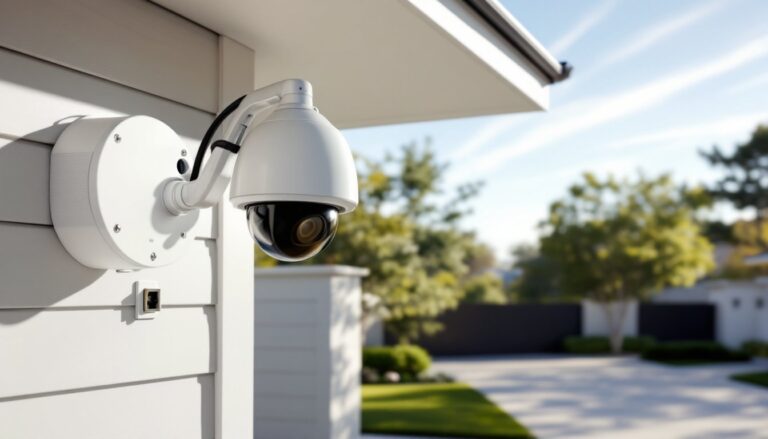
- SimpliCam and Video Doorbell Pro: 1080p HD cameras with night vision, two-way audio, and motion zones. Cloud storage requires a subscription.
- Smart Lock: Integrates with the system so you can lock/unlock remotely or set the alarm to auto-arm when the door locks.
- Smoke and CO detectors: UL-listed units that trigger both local alarms and monitoring center alerts if you have a plan.
Compared to smart home security platforms that integrate doorbells, locks, lights, and thermostats under one app, SimpliSafe is narrowly focused on intrusion and environmental monitoring. There’s no native support for controlling lights or adjusting your thermostat, though limited Alexa and Google Assistant integration lets you arm/disarm by voice.
Installation Experience: How Easy Is SimpliSafe to Set Up?
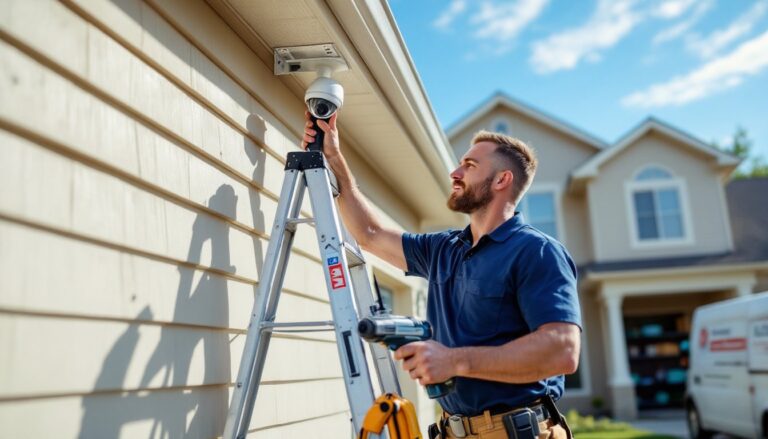
SimpliSafe’s installation is about as close to plug-and-play as security systems get. You don’t need to drill through studs, run low-voltage wire, or call an electrician. The entire setup can be done with a screwdriver (if you prefer screws over adhesive) and about 30–60 minutes, depending on how many sensors you’re placing.
Step-by-step setup:
- Plug in the base station near the center of your home for best RF range. It connects to your Wi-Fi network via the SimpliSafe app (iOS or Android).
- Sync sensors by scanning the QR code on each device with the app. The base station auto-detects them within seconds.
- Mount sensors: Entry sensors go on door/window frames (magnet on the moving part, sensor on the frame). Motion sensors should be mounted 4–5 feet high in corners for optimal coverage. Glass break sensors can sit on a shelf or mount to a wall.
- Test the system: Walk through each zone to confirm sensors trigger correctly. The app guides you through a test mode that prevents false alarms.
- Set up monitoring (optional): If you subscribe to professional monitoring, you’ll register your address and emergency contacts through the app.
According to hands-on testing, most users complete installation in under an hour. The adhesive backing is strong enough for most surfaces, but mounting on textured drywall or brick may require screws for a secure hold.
One caution: SimpliSafe sensors use coin-cell or AA batteries, not rechargeable packs. The app notifies you when batteries run low, but you’ll need to keep replacements on hand. For anyone comparing this to systems like Xfinity Home Security, which can integrate with existing cable infrastructure, SimpliSafe’s wireless approach trades wiring complexity for ongoing battery maintenance.
Monitoring Plans and Pricing: What You’ll Actually Pay
SimpliSafe’s pricing model is straightforward: buy the equipment upfront, then choose a monitoring plan (or skip it entirely). There’s no activation fee, no contract, and you can cancel or pause monitoring anytime.
Equipment costs vary by system size:
- The Foundation Kit (base station, keypad, 4 entry sensors, 1 motion sensor): ~$245
- The Essentials Kit (adds more sensors and a panic button): ~$330
- The Hearth Kit (includes smoke/CO detectors): ~$400
- Individual sensors range from $15 (entry sensor) to $100 (video doorbell)
Monitoring plan options (as of 2026):
- Self-Monitoring (Free): You get mobile alerts when sensors trigger. No professional dispatch or cellular backup.
- Standard Monitoring ($19.99/month): 24/7 professional monitoring with police/fire dispatch, cellular backup, and environmental monitoring. No camera access.
- Interactive Monitoring ($29.99/month): Everything in Standard, plus unlimited camera recording, smart lock control, secret alerts (silent alarm notifications), and video verification for faster police response.
For context, ADT Home Security typically runs $45–60/month with a three-year contract, while Wyze Home Security offers monitoring at $10/month but with more limited hardware options. SimpliSafe sits in the sweet spot for people who want professional monitoring flexibility without the commitment.
One hidden cost: cellular backup is included in paid plans, but if you rely on self-monitoring and your Wi-Fi goes down, the system won’t send alerts. Also, replacement batteries and additional sensors add up over time, so budget $20–40 annually for batteries if you have a larger system.
Real-World Performance: Pros and Cons Homeowners Should Know
SimpliSafe performs reliably for intrusion detection and environmental monitoring, but it’s not without quirks. Here’s what homeowners report after months of use.
Pros:
- Fast alarm response: Entry delay is customizable (30, 60, or 120 seconds). Exit delay gives you time to leave without triggering the alarm.
- Responsive sensors: Entry and motion sensors trigger within 1–2 seconds. Glass break sensors are accurate but may need repositioning to avoid false alerts from loud noises.
- Solid app interface: The SimpliSafe app is intuitive. Arming/disarming is quick, and you can create custom modes (e.g., “Home” mode that ignores motion sensors but monitors doors).
- Low false alarm rate: Unlike some systems that trip from pets or HVAC airflow, SimpliSafe’s motion sensors are well-tuned. According to product testing, false alarms are rare if sensors are placed correctly.
- Video verification: With Interactive Monitoring, the system sends a video clip to the monitoring center when the alarm triggers, which speeds up police dispatch since many departments deprioritize unverified alarms.
Cons:
- Limited smart home integration: SimpliSafe doesn’t play well with platforms beyond Alexa and Google Assistant. No Apple HomeKit, SmartThings, or IFTTT support. If you’re building a unified smart home, this is a dealbreaker.
- Proprietary ecosystem: You can’t add Zigbee sensors or third-party cameras. You’re locked into SimpliSafe’s hardware.
- Camera storage paywall: Video storage requires the $29.99/month plan. Without it, you get live view only, no recording or playback.
- Battery dependency: Unlike Brinks Home Security, which offers some hardwired options, SimpliSafe is entirely battery-powered. That’s convenient for installation but means regular battery swaps.
- No local storage: The base station doesn’t have an SD card slot or local backup. Everything relies on cloud connectivity.
In testing by Digital Trends, SimpliSafe’s cellular backup performed flawlessly during simulated internet outages, and the 24-hour battery backup kept the system online through a power cut. But, the lack of a backup siren (if the base station is damaged) is a weak point.
Who Should Choose SimpliSafe for Home Security
SimpliSafe is best suited for homeowners and renters who want a no-commitment, DIY-friendly security system without the complexity of a full smart home platform. It’s a strong fit if you:
- Rent or move frequently: Since there’s no drilling required (if you use adhesive mounts) and no contracts, SimpliSafe is easy to pack up and reinstall.
- Want flexibility in monitoring: The ability to turn monitoring on and off monthly is ideal for seasonal homes, snowbirds, or anyone who doesn’t want year-round costs.
- Prefer straightforward equipment: If you’re not interested in integrating security with lighting scenes, smart thermostats, or Z-Wave devices, SimpliSafe’s focused approach is less overwhelming than systems like GE Home Security.
- Need environmental monitoring: The inclusion of water, smoke, and CO sensors at reasonable prices makes SimpliSafe a good all-in-one option for comprehensive protection.
SimpliSafe is NOT the best choice if you:
- Want deep smart home integration: Systems like Ring or Vivint offer tighter control over lights, locks, and thermostats.
- Prefer hardwired reliability: If you don’t want to deal with battery maintenance, consider a hardwired or hybrid system.
- Need outdoor cameras with local storage: SimpliSafe’s cameras require cloud subscriptions, and there’s no local backup option.
For anyone comparing multiple systems, SimpliSafe lands between budget-conscious options like Fluent Home Security and premium services with long contracts. It’s a practical middle ground that trades cutting-edge features for simplicity and cost control.
Conclusion
SimpliSafe delivers on its core promise: straightforward, contract-free home security that you can install yourself and monitor on your terms. The equipment is reliable, the pricing is transparent, and the month-to-month monitoring gives flexibility that traditional providers don’t match. It won’t wow smart home enthusiasts or anyone chasing the latest tech integrations, but for homeowners who want dependable intrusion and environmental protection without the headaches, SimpliSafe remains a solid pick in 2026.